
Shopping Cart
0
Sudama
-

Channa Green
₹500.00Product successfully added to the Quote List
It seems there might be some confusion or a typo in the term Channa Green. Channa typically refers to chickpeas or garbanzo beans, and green might indicate the use of fresh, young, or unripe ingredients.
₹500.00 -

Black Eye Bean
Product successfully added to the Quote List
Black-eyed beans are rich in protein, fiber, and essential nutrients. They have a mild, slightly nutty flavor and a tender texture when cooked. They are often used in stews, soups, curries, and salads.
-

Red Beans
Product successfully added to the Quote List
Red beans are a popular ingredient in many cuisines around the world. They are often used to make chili, stews, soups, salads, and bean dishes. Kidney beans, including red kidney beans, are a good source of protein, dietary fiber, and various vitamins and minerals
-
Roasted Bengal Gram
Product successfully added to the Quote List
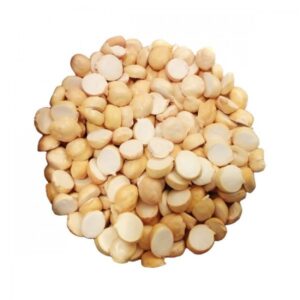
Roasted Bengal gram is often consumed as a standalone snack, similar to nuts or trail mix. It’s also used as an ingredient in various Indian dishes, such as chutneys, snacks, and desserts.
-

Green Peas
Product successfully added to the Quote List
Green peas, also simply known as peas, are small, round, and vibrant green legumes that are commonly enjoyed as both a vegetable and an ingredient in various dishes. They are widely available in both fresh and frozen forms, making them a versatile addition to many cuisines.
-

Kabuli Channa
Product successfully added to the Quote List
Kabuli Channa also known as chickpeas is a type of legume characterized by its round shape and beige color. It is one of the most widely consumed and versatile legumes globally, used in various cuisines and dishes.
-

Masoor Whole
Product successfully added to the Quote List
Masoor Whole also known as whole brown lentils or brown masoor dal, refers to the whole form of the masoor lentils. These lentils are small, round legumes with a brown or greenish-brown color. Masoor whole retains its outer husk and has a distinct nutty flavor and earthy aroma.
-

Masoor Dal
Product successfully added to the Quote List
Masoor Dal, also known as red lentils or red masoor lentils, refers to the split and hulled form of masoor lentils. These lentils are small, flat, and reddish-orange in color. Masoor dal cooks relatively quickly and has a soft, creamy texture when prepared.
-

Moong Whole
Product successfully added to the Quote List
Moong Whole also known as whole green gram or whole mung beans, refers to the complete, unsplit form of mung beans. These beans are small, round, and green in color. Moong whole retains its outer green husk and has a slightly sweet and earthy flavor.
-

Moong Dal
Product successfully added to the Quote List
Moong Dal also known as split yellow mung lentils, is a type of legume widely used in Indian and Asian cuisines. These lentils are small, flat, and yellow in color. Moong dal cooks relatively quickly and has a soft, creamy texture when prepared.
-

Moth
Product successfully added to the Quote List
Moth beans are small, oval-shaped legumes with a brown or beige color. They are often used to make a variety of dishes, particularly in Indian states like Gujarat and Maharashtra. Moth beans have a nutty flavor and are used in dishes like curries, sprouts, and even fritters.
-

Rajma
Product successfully added to the Quote List
Rajma is typically used to make “rajma masala,” a popular dish in which the beans are cooked in a spiced tomato-based gravy. It’s a comforting and richly flavored dish often enjoyed with rice or bread. Rajma is a good source of protein, dietary fiber, and essential nutrients like iron and folate.
-
Toor Dal
Product successfully added to the Quote List
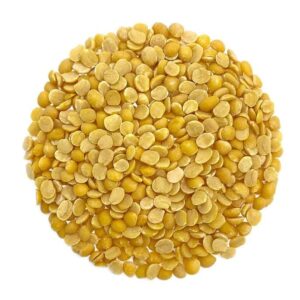
Toor Dal, also known as arhar dal, is a type of lentil widely used in Indian cooking. These lentils are small, yellow, and split in half, making them quick to cook and easy to digest.
-
Urad Black
Product successfully added to the Quote List
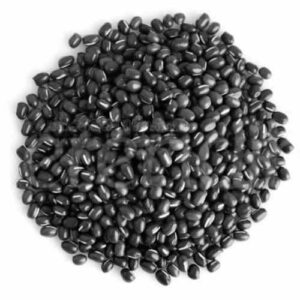
Urad black is used to make dishes like dal makhani, a popular dish where the lentils are slow-cooked in a rich and creamy tomato-based gravy. It’s also used to make idli batter and dosa batter, which are essential components of South Indian cuisine.
-
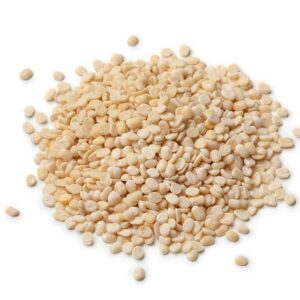
Urad Dal
Product successfully added to the Quote List
Urad dal is used in a variety of dishes, ranging from savory to sweet, in Indian cooking. It’s a key ingredient in dishes like dal makhani, a rich and flavorful lentil curry, as well as idli and dosa batters, which are essential in South Indian cuisine.
-

Mix Pluses
Product successfully added to the Quote List
The exact combination of legumes can vary, but it typically includes a mix of lentils, beans, and sometimes split peas. This mixture is used in a variety of cuisines to make soups, stews, curries, and other dishes. Mixed pulses are appreciated for their diverse nutritional profiles, providing a range of protein, fiber, vitamins, and minerals.